Understanding Indiana’s traffic signs is vital for safe driving; the state’s manual comprehensively covers regulatory, warning, and construction signage for all drivers.
Importance of Understanding Indiana Road Signs
Proficiency in recognizing and interpreting Indiana road signs is paramount for driver safety and legal compliance. The Indiana Driver Manual emphasizes that signs communicate crucial information, preventing accidents and ensuring smooth traffic flow. Ignoring or misinterpreting signs can lead to collisions, traffic violations, and jeopardize lives.
A thorough understanding, as detailed in study guides and the BMV handbook, equips drivers to anticipate potential hazards, navigate intersections safely, and obey traffic laws. Knowing sign shapes and colors – like the exclusive octagon for stop signs – is essential for quick recognition. Preparation for the Indiana driver’s exam necessitates dedicated study of these vital visual cues.
Where to Find Official Information (Indiana BMV)
The Indiana Bureau of Motor Vehicles (BMV) website, IN.gov/BMV, serves as the primary source for official information regarding road signs and driving regulations. Drivers can access the complete Indiana Drivers Manual, covering all sign types – warning, guide, and construction – directly from this platform.
The BMV also provides details on document requirements for licensing and permit applications. Furthermore, numerous study guides and practice tests, aligned with the official manual, are available to aid in exam preparation. Relying on the BMV’s resources ensures drivers are learning accurate and up-to-date information essential for safe and legal operation of a vehicle.

Types of Regulatory Signs
Regulatory signs dictate legal requirements, including speed limits, stop conditions, and permissible maneuvers, ensuring order and safety on Indiana roadways for all drivers.
Stop Signs: Characteristics and Compliance
Indiana’s stop signs are universally recognized by their distinct octagonal shape and red color with white lettering. Drivers encountering a stop sign must come to a complete halt before the marked stop line, or before entering the crosswalk or intersection if no line exists.
Proceed only when it is safe to do so, yielding the right-of-way to pedestrians and other vehicles. Failure to comply with stop sign regulations is a serious traffic violation, potentially leading to fines and points on your driving record. Always be prepared to stop, even at a green light, as conditions can change rapidly.
Yield Signs: When and How to Yield
Yield signs in Indiana are triangular in shape, with a red border and white interior. Encountering a yield sign means drivers must slow down and be prepared to stop. You must yield the right-of-way to pedestrians and approaching traffic.
Unlike a stop sign, a complete stop isn’t always required, but you must proceed only when it’s safe to do so without causing other vehicles or pedestrians to alter their speed or direction. Prioritize safety and cautious observation when approaching and navigating yield situations.
Speed Limit Signs: Understanding Posted Limits
Speed limit signs in Indiana are rectangular, typically white with black numerals indicating the maximum legal speed in miles per hour. These limits are set based on factors like road conditions, traffic patterns, and potential hazards.
It’s crucial to adhere to posted speed limits, as exceeding them significantly increases the risk of accidents. Remember that speed limits may vary depending on the type of road – interstate, highway, or local streets. Always be aware of your speed and adjust accordingly to ensure safe driving practices.

Other Regulatory Signs (Do Not Enter, One Way, etc.)
Indiana utilizes various regulatory signs beyond stop and yield. “Do Not Enter” signs, often red and white, prohibit entry onto a roadway. “One Way” signs indicate traffic flows in a single direction, requiring strict adherence. These signs are rectangular, conveying mandatory instructions.
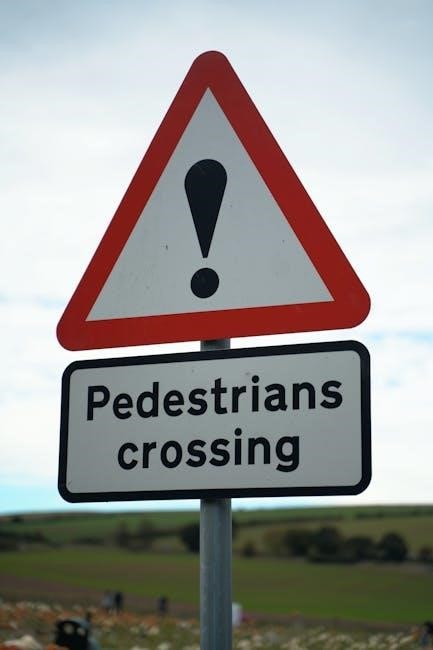
Other examples include signs prohibiting turns, lane usage restrictions, and weight limits. Disregarding these signs can lead to violations and, more importantly, dangerous situations. Understanding these regulations is paramount for safe and lawful driving within Indiana.
Warning Signs: Recognizing Potential Hazards
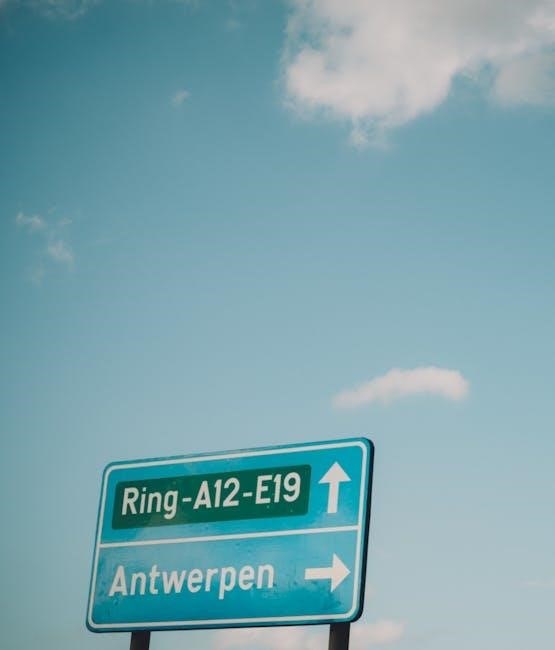
Indiana employs warning signs – typically yellow and diamond-shaped – to alert drivers to potential dangers ahead, demanding increased caution and preparedness.
Curve Warning Signs: Different Types and Meanings
Indiana utilizes various curve warning signs to prepare drivers for upcoming road bends. A simple curved arrow indicates a gradual curve, while signs with added arrows suggest increasing sharpness. Drivers should reduce speed before entering the curve, maintaining control throughout. Multiple curve signs warn of a series of turns. Advisory speed limits posted alongside indicate the safe speed for navigating the curve. Recognizing these signs is crucial; failing to adjust speed can lead to loss of control, especially in adverse weather. Always heed the warnings and prioritize safe maneuvering through curves, ensuring a smooth and secure journey.
Intersection Warning Signs: Approaches and Precautions
Indiana employs intersection warning signs to alert drivers to upcoming crossings. These signs often depict a crossroad or a T-intersection, signaling the need for increased vigilance. Always reduce speed and scan for oncoming traffic from all directions. Be prepared to yield the right-of-way if necessary. Before proceeding, ensure the intersection is clear. Remember to obey all traffic signals, even with a green light, as conditions can change rapidly. Defensive driving is key; anticipate potential hazards and maintain a safe following distance. Prioritize caution and awareness when approaching intersections.
Pedestrian and School Zone Signs: Safety Considerations
Indiana utilizes specific signs to indicate pedestrian crossings and school zones, demanding heightened driver awareness. School zone signs often feature children and reduced speed limits during designated hours. Always slow down and watch for children walking or playing near the roadway. Be extra cautious during drop-off and pick-up times. Pedestrian crossing signs signal areas where pedestrians may be present. Yield the right-of-way to pedestrians in crosswalks. Prioritize safety and anticipate unexpected movements. Remain vigilant and avoid distractions in these sensitive areas.
Railroad Crossing Signs: Recognizing and Responding
Indiana employs circular signs to warn drivers of upcoming railroad crossings. These signs often include a black “X” and “RR” symbol. Always slow down and scan for trains in both directions. Never proceed if warning lights are flashing or the gate is lowered. Stop at least 15 feet from the nearest rail. Look, listen, and proceed cautiously only when safe. Be aware that trains always have the right-of-way. Avoid distractions and never attempt to beat a train across the tracks; prioritize safety at all railroad crossings.
Guide Signs: Navigation and Information
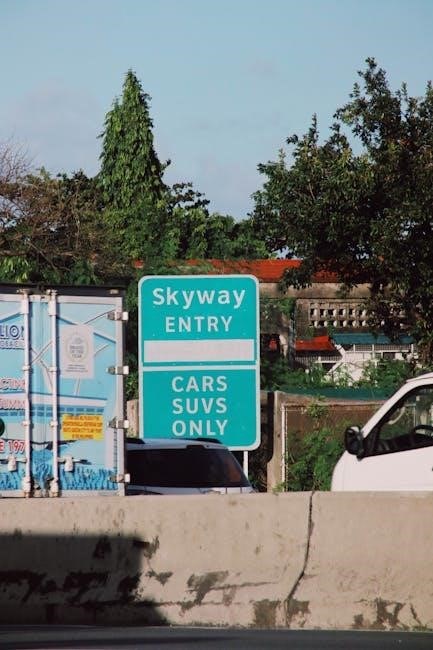
Guide signs utilize colors, shapes, and messages to assist drivers with navigation, identifying routes, destinations, and essential services along Indiana roadways.
Interstate and US Route Signs: Identifying Major Highways
Interstate highways are crucial for long-distance travel, and Indiana utilizes a standardized system for their signage. Interstate signs feature a red, white, and blue shield shape, clearly displaying the route number. US Route signs, essential for connecting cities and states, are characterized by a black and white shield.
These signs provide vital directional information, helping drivers efficiently navigate across the state and beyond. Recognizing these distinct shield shapes is fundamental for successful route planning and safe travel. Understanding these signs is a key component of the Indiana driver’s exam, ensuring all motorists can confidently identify major roadways.
State Route and County Road Signs: Local Road Navigation
Navigating Indiana’s local roads requires recognizing state route and county road signs. State Route signs typically feature a black route number on a white rectangular background, offering directional guidance within the state. County Road signs, however, vary in design but generally include the county name and road number.
These signs are essential for drivers exploring areas beyond the interstate and US route systems. Familiarity with these local road markers is crucial for efficient travel and avoiding confusion. Mastering these signs is a vital part of preparing for the Indiana driver’s exam, demonstrating local road knowledge.
Destination and Distance Signs: Planning Your Route
Effective route planning in Indiana relies heavily on destination and distance signs. These guide signs provide crucial information about upcoming cities, towns, and points of interest, alongside the distance remaining to reach them. Typically displayed in green with white lettering, they assist drivers in confirming their route and anticipating travel time.
Paying attention to these signs minimizes wrong turns and ensures a smoother journey; Understanding how to interpret distance information is a key skill for any Indiana driver, and a frequent topic on the state’s driving exam.
Service Signs: Locating Essential Services
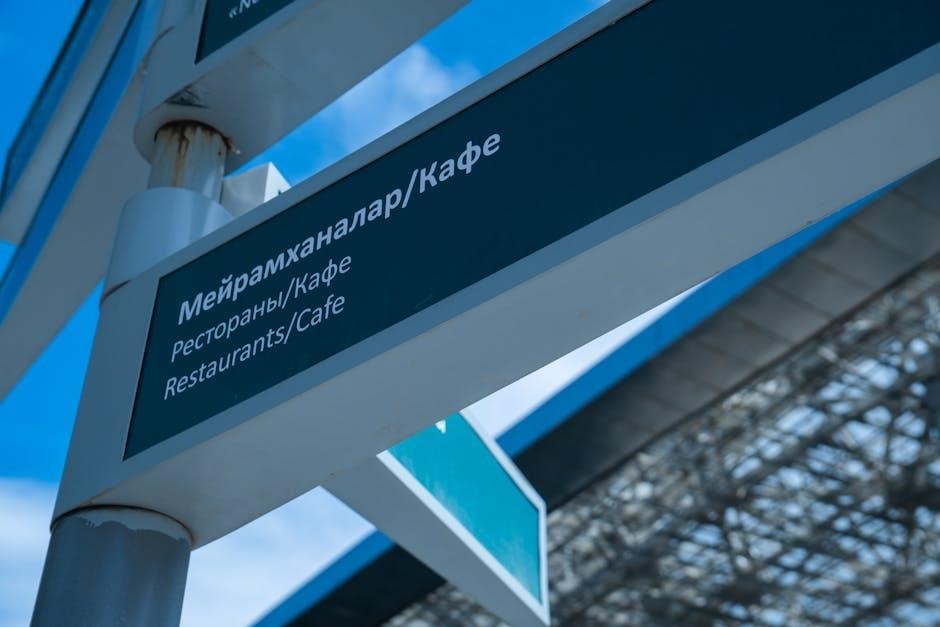
Indiana utilizes blue service signs to help drivers locate essential amenities along highways and major routes. These signs indicate the availability of gas stations, food, lodging, hospitals, and rest areas. The symbols used are standardized for easy recognition, regardless of language proficiency.
Knowing these signs can be incredibly helpful during long trips or in emergency situations. Familiarize yourself with the common symbols to quickly identify needed services. These signs are a vital component of safe and convenient travel throughout Indiana, and understanding them is crucial for passing the driver’s exam.

Construction and Temporary Traffic Control Signs
Orange and black diamond signs signal road work ahead; be prepared for lane closures, flag persons, and altered traffic patterns for safe navigation.
Orange and Black Diamond Signs: Understanding Road Work
These distinctive signs, featuring orange backgrounds and black diamond shapes, are universally recognized as indicators of upcoming road work or construction zones within Indiana. Drivers encountering these signs must exercise heightened caution and prepare for potential changes in traffic patterns. They signify possible lane closures, reduced speed limits, the presence of construction workers, and the need for increased awareness of surroundings.
It’s crucial to reduce speed and follow any posted instructions diligently. These temporary signs often supplement permanent signage, providing specific guidance related to the construction activity. Ignoring these warnings can lead to accidents and delays, impacting both driver safety and project timelines. Always anticipate the unexpected within these zones.
Flagging Operations: Responding to Flag Persons
When encountering a flagging operation in Indiana, drivers are legally obligated to comply with the directions provided by the flag person. These individuals are responsible for safely managing traffic flow through work zones, often when lane closures or other disruptions exist. Always slow down and pay close attention to the flagger’s signals – a raised flag indicates you must stop, while a lowered flag permits you to proceed cautiously.
Treat flaggers with respect and maintain a safe distance. Failure to obey a flagger’s instructions carries significant penalties and, more importantly, endangers lives; Remember, they are there to ensure the safety of both workers and motorists.
Lane Closure Signs: Navigating Reduced Lanes
Indiana utilizes specific signage to alert drivers to lane closures, typically employing orange and black diamond-shaped signs. These signs often display a directional arrow indicating which lanes are closed ahead, and the distance to the closure point. Drivers should merge safely into the open lane well in advance of the closure, signaling their intentions and yielding to other vehicles.
Avoid last-minute lane changes and maintain a consistent speed. Be prepared for potential congestion and increased travel times. Pay close attention to any accompanying instructions from flaggers or temporary traffic control devices.
Sign Shapes and Colors: A Quick Reference
Sign shape and color are crucial; octagons mean STOP, triangles warn of hazards, and rectangles display regulations or guidance for Indiana drivers.
Octagon: Exclusive to Stop Signs
The octagon is a uniquely recognizable shape in traffic control, and in Indiana, it’s exclusively reserved for stop signs. This distinct shape ensures immediate recognition, even from a distance or in poor weather conditions. Drivers are trained to instantly associate the octagon with the requirement to come to a complete halt.
Understanding this association is critical for passing the Indiana driver’s exam and, more importantly, for safe driving practices. Always be prepared to stop when approaching an octagonal sign, yielding to pedestrians and other traffic as necessary. Ignoring a stop sign carries significant legal and safety consequences.
Triangle: Typically Indicates Warnings
In Indiana, the equilateral triangle shape predominantly signals upcoming potential hazards to drivers. These warning signs alert you to conditions requiring extra caution, such as curves, intersections, pedestrian crossings, or railroad crossings. The point of the triangle typically faces the direction of the hazard, providing a visual cue.
Recognizing triangular signs is crucial for proactive driving. They don’t necessarily demand an immediate stop, but they necessitate reduced speed and increased awareness. Mastering this sign shape is essential for both the Indiana driver’s exam and safe navigation of roadways.
Rectangle: Used for Regulatory and Guide Signs
Rectangular signs in Indiana serve a dual purpose, communicating both regulatory instructions and guiding information to drivers. Regulatory rectangles, often white with black text, dictate what you must or must not do – like speed limits or no-turn directives. Guide signs, frequently green or blue, provide directional assistance and identify destinations.
Understanding the context is key; color and text differentiate their function. These signs utilize written messages and symbols to convey information effectively. Familiarity with rectangular signs is paramount for passing the Indiana driver’s exam and ensuring safe road travel.
Pavement Markings: Complementing Road Signs
Lane markings, crosswalks, and symbols work with signs to direct traffic flow and control pedestrian movement, enhancing overall road safety for Indiana drivers.
Lane Markings: Solid and Broken Lines
Understanding lane markings is crucial for safe navigation on Indiana roadways. Solid lines indicate that lane changes are discouraged or prohibited, often separating traffic flowing in opposite directions. Broken lines signify that lane changes are permitted when safe to do so, allowing drivers flexibility for passing or maneuvering.
Combinations of solid and broken lines communicate specific restrictions. For example, a solid line next to a broken line means lane changes are allowed for the traffic on the side with the broken line, but not for traffic beside the solid line. Drivers must always pay close attention to these markings and adjust their driving accordingly to maintain order and prevent collisions.
Crosswalks and Stop Lines: Pedestrian and Traffic Control
Crosswalks designate areas for pedestrian crossing, requiring drivers to yield the right-of-way. Marked crosswalks, whether painted or indicated by pavement markings, emphasize pedestrian safety. Stop lines, solid white lines painted across the roadway, instruct drivers where to halt before an intersection.
Drivers must stop before the stop line when facing a red light or stop sign, allowing pedestrians to cross safely. Ignoring these markings is a violation and endangers lives. Always be vigilant for pedestrians, especially in marked crosswalks, and adhere to all traffic control devices for a safer driving environment.
Symbols and Arrows: Directing Traffic Flow
Pavement arrows guide drivers, indicating permitted movement within a lane. Solid arrows dictate the mandatory direction, while dashed arrows suggest optional turns. Symbols, like those for HOV lanes or bicycle routes, communicate specific roadway usage restrictions or allowances.
Understanding these markings is crucial for navigating intersections and maintaining proper lane positioning. Drivers must follow the direction indicated by solid arrows and be aware of the implications of dashed arrows and accompanying symbols. Ignoring these cues can lead to confusion, collisions, and traffic violations.

Preparing for the Indiana Driver’s Exam
Success on the Indiana exam requires thorough study of the driver’s manual, practice tests, and awareness of common mistakes regarding traffic signs and signals.
Practice Tests and Study Guides
Utilizing practice tests and comprehensive study guides is paramount for Indiana driver’s exam preparation. These resources effectively reinforce knowledge of crucial traffic signs, signals, and pavement markings. Several online platforms and the official Indiana BMV website offer practice exams mirroring the actual test format.
Focus on recognizing sign shapes, colors, and the specific meanings associated with each. Study guides often categorize signs – regulatory, warning, and guide – aiding in organized learning. Regularly reviewing these materials builds confidence and identifies areas needing further attention, ultimately increasing your chances of passing the exam successfully.
Common Mistakes to Avoid
Many candidates stumble on questions regarding sign interpretation, particularly differentiating between warning and regulatory signs. A frequent error is misidentifying the meaning of unique shapes – confusing triangles (warnings) with rectangles (regulatory or guide).
Failing to understand the implications of pavement markings, like solid versus broken lines, also leads to errors. Another common mistake involves overlooking the importance of being prepared to stop even with a green light. Thoroughly review all sign categories and practice recognizing them quickly to avoid these pitfalls during the Indiana driver’s exam.
