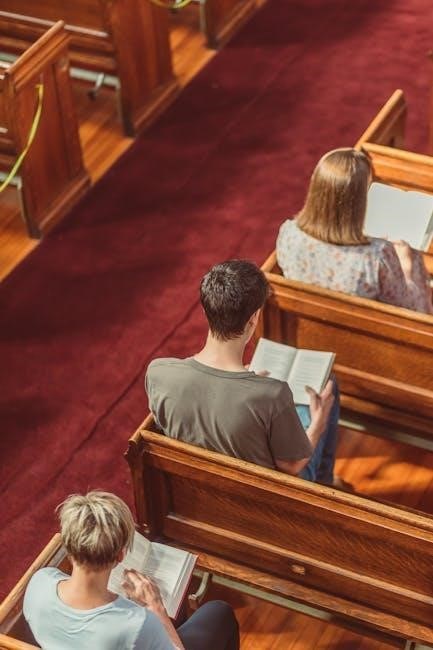
Church elders fulfill vital roles in governance, spiritual oversight, and nurturing the congregation, stemming from scriptural foundations and ordained authority.
A. Defining Church Eldership
Church eldership represents a biblically-ordained leadership structure within the local church, extending beyond mere administrative roles. It’s a spiritual office focused on shepherding, overseeing, and protecting the flock – the congregation. This leadership isn’t about power, but about service, rooted in a fourfold ministry encompassing Word, Sacrament, Order, and Service.

Elders are entrusted with ensuring the church’s engagement in meaningful worship, consistent biblical teaching, and ongoing spiritual education for all members. Their duties extend to fostering discipleship, nurturing believers, and maintaining the vibrant communal life of the church. Ultimately, defining church eldership means recognizing it as a sacred trust, demanding humility, integrity, and a deep commitment to Christ’s love and justice.
B. Scriptural Basis for Elders (1 Timothy 3:1-7, Titus 1:9)
The New Testament provides a clear foundation for the role of church elders. 1 Timothy 3:1-7 and Titus 1:9 outline specific qualifications, emphasizing character, reputation, and ability – not merely experience. These passages aren’t suggestions, but musts; the church shouldn’t settle for those who merely approach these standards.
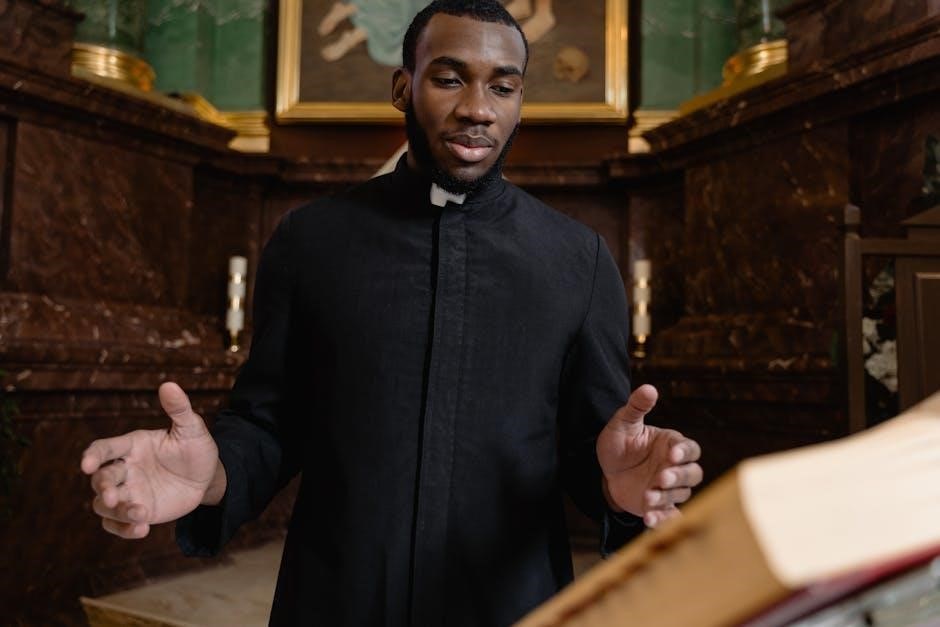
These texts detail the need for elders to be above reproach, temperate, prudent, dignified, hospitable, and skilled in teaching. They must hold firmly to the trustworthy message, enabling them to both exhort and refute error. This scriptural basis underscores that eldership is a serious calling, demanding individuals who are demonstrably equipped and committed to faithfully fulfilling their divinely appointed responsibilities within the church community.

II. Qualifications of Elders
Essential qualities encompass experience, character, reputation, and ability, all vital for effective leadership and spiritual guidance within the church structure.
A. Experience
While not rigidly defined, a degree of life experience is crucial for church elders. This isn’t merely about age, but demonstrated wisdom gained through navigating life’s complexities. Elders should possess a track record of faithfulness and maturity, showcasing their ability to discern and offer sound counsel.
Experience also extends to spiritual disciplines – consistent Bible study, prayer, and involvement in the church community. A history of service within the church demonstrates a willingness to contribute and a commitment to its well-being. It’s about having ‘been there’ and demonstrating resilience through challenges, offering a stable foundation for leadership. The church shouldn’t settle for those merely approaching these qualities; they must be demonstrably present.
B. Character
The character of an elder is paramount, forming the bedrock of their leadership. Scripture emphasizes qualities like being temperate, just, holy, and self-controlled (1 Timothy 3:3). These aren’t suggestions, but essential attributes reflecting a life transformed by grace. An elder must demonstrate integrity in all areas – personal, professional, and spiritual.
Humility is vital; elders are servants, not rulers. They should be patient, kind, and gentle, avoiding quick tempers or harsh judgment. A genuine love for people, coupled with a commitment to truth, defines their interactions. Their character should be above reproach, inspiring trust and confidence within the congregation, embodying the values they teach and uphold.
C. Reputation
An elder’s reputation within and outside the church is a critical qualification. Scripture demands they be “well thought of by those outside the church” (1 Timothy 3:7), indicating a consistent, positive witness to their faith. This isn’t about popularity, but about demonstrable integrity and ethical conduct in all aspects of life.
Their reputation should reflect a life lived with honesty and fairness, earning the respect of the community. Any past or present inconsistencies or questionable behavior will undermine their effectiveness. A good reputation builds trust, enabling elders to effectively minister and lead. It’s a testament to God’s work in their lives and validates their calling to serve.
D. Ability
Beyond character and reputation, elders must possess the ability to effectively lead and teach. This doesn’t necessarily mean formal theological training, though it’s beneficial, but a demonstrable capacity to understand and articulate biblical truth. They should be able to gently correct those who err and encourage spiritual growth within the congregation.
Furthermore, ability encompasses sound judgment and the capacity to govern the church with wisdom and order. Elders need to be capable of discerning situations, making informed decisions, and fostering a harmonious environment. This includes the ability to delegate tasks and work collaboratively with other leaders and the congregation as a whole, ensuring effective church function.

III. Core Responsibilities of Church Elders
Elders are charged with spiritual oversight, ensuring sound doctrine, leading worship, and administering sacraments like the Lord’s Supper and Baptism faithfully.
A. Spiritual Oversight & Teaching
Spiritual oversight is paramount for church elders, demanding a commitment to the flock’s well-being and growth in faith. This involves consistent prayer, discerning spiritual needs, and providing guidance rooted in Scripture. Elders must actively participate in teaching, ensuring the congregation receives sound biblical instruction.
They are responsible for fostering a climate of continuous spiritual education, encouraging discipleship, and nurturing believers in their faith journey. This isn’t merely delivering sermons, but also mentoring, counseling, and equipping members to understand and apply God’s Word to their lives.
Effective teaching from elders safeguards against doctrinal drift and promotes a deeper understanding of God’s character and purposes. It’s a proactive role, shaping the spiritual landscape of the church and guiding it towards maturity in Christ.
B. Ensuring Sound Doctrine
Elders bear the crucial responsibility of safeguarding the church against false teachings and ensuring adherence to biblical truth. This requires diligent study of Scripture, a discerning spirit, and the courage to address doctrinal errors. They must be equipped to identify deviations from established doctrine and lovingly correct those who stray.
Protecting sound doctrine isn’t about rigid inflexibility, but about faithfully upholding the core tenets of the Christian faith as revealed in the Bible. Elders should proactively promote biblical literacy within the congregation, empowering members to evaluate teachings critically.
This commitment to truth fosters a healthy spiritual environment, preventing confusion and promoting unity based on a shared understanding of God’s Word. It’s a vital aspect of their oversight, ensuring the church remains grounded in apostolic teaching.
C. Worship & Sacraments
Elders play a significant role in shaping the worship life of the church, ensuring it is reverent, biblical, and spiritually enriching. They oversee the planning and execution of worship services, prioritizing elements that glorify God and edify believers. This includes selecting appropriate hymns, prayers, and Scripture readings.
Furthermore, elders are often entrusted with the solemn duties of administering the sacraments – the Lord’s Supper and Baptism. They ensure these ordinances are observed with reverence and understanding, emphasizing their spiritual significance.
Regular celebration of the Lord’s Supper and thoughtful administration of Baptism serve as powerful reminders of God’s grace and the believer’s covenant relationship with Him, guided by the elders’ faithful oversight.
Celebrating the Lord’s Supper
Elders bear the responsibility of ensuring the Lord’s Supper is observed with solemnity and reverence, reflecting its profound spiritual meaning. They oversee the preparation of the elements, ensuring they are handled with respect and cleanliness, symbolizing Christ’s body and blood.
Elders guide the congregation in understanding the significance of this ordinance – a memorial of Christ’s sacrifice and a communion with Him and fellow believers. They may lead in prayer and offer a brief explanation of the Supper’s theological importance before its observance.
Their role extends to ensuring all participants understand the requirements for participation, fostering a worthy and meaningful experience for all who partake, remembering Christ’s sacrifice.
Administering Baptism
Elders play a crucial role in administering baptism, a sacred ordinance signifying a believer’s identification with Christ’s death, burial, and resurrection. They are responsible for discerning genuine professions of faith, ensuring candidates understand the commitment they are making.
Prior to baptism, elders typically meet with candidates to discuss their faith journey and confirm their understanding of the gospel. During the baptism service, they lead in prayer and explain the meaning of the ordinance to the congregation.
Elders carefully perform the act of baptism, symbolizing cleansing and new life in Christ, and maintain records of baptisms within the church community, upholding its significance;

IV. Practical Duties of Elders
Elders actively engage in discipleship, church governance, and pastoral care, nurturing believers and maintaining order within the congregation’s life and ministry.
A. Discipleship & Nurturing
A core practical duty of church elders is fostering the spiritual growth of the congregation through intentional discipleship. This involves equipping believers with biblical knowledge and practical application for daily life. Elders nurture faith by providing guidance, encouragement, and support to individuals and families.
They actively promote a learning environment where members can deepen their understanding of God’s Word and mature in their faith. This nurturing extends to welcoming new believers, integrating them into the church community, and providing ongoing mentorship. Elders champion a culture of spiritual formation, encouraging consistent prayer, Bible study, and service. Ultimately, their aim is to see every member grow into a fully devoted follower of Christ, equipped to live out their faith authentically.
B. Church Governance & Order
Church elders bear significant responsibility for maintaining healthy governance and order within the congregation. This encompasses establishing and upholding clear policies and procedures that align with biblical principles. Elders ensure transparency and accountability in all church operations, fostering a climate of trust and integrity.
They participate in strategic planning, financial oversight, and resource allocation, always seeking God’s wisdom and direction. Elders also address conflicts and disputes within the church, mediating with grace and fairness. Their role is not to dictate, but to guide the church toward unity and effective ministry, ensuring that all activities contribute to the overall mission and vision. A well-ordered church allows for focused ministry and spiritual growth.
C. Pastoral Care & Counseling
A crucial duty of church elders is providing compassionate pastoral care and counseling to members of the congregation. This involves actively listening to concerns, offering spiritual guidance, and walking alongside individuals during times of difficulty. Elders demonstrate empathy and discernment, offering biblical counsel rooted in truth and love.
They are called to nurture the spiritual well-being of the flock, offering support and encouragement. While not necessarily trained therapists, elders can identify when professional help is needed and facilitate connections to appropriate resources. Their consistent presence and genuine care build trust and strengthen the bonds within the church community, fostering a sense of belonging and support.

V. Accountability and Collaboration
Elders are accountable to the congregation, working alongside lead ministers, and potentially a denominational body, ensuring transparency and shared leadership.
A. Accountability to the Congregation
Elders, entrusted with significant spiritual leadership, must demonstrate accountability to the congregation they serve. This isn’t merely about reporting actions, but a transparent lifestyle reflecting the qualifications outlined in Scripture. Open communication regarding decisions, especially those impacting church governance and direction, is paramount.
Congregants should feel comfortable approaching elders with questions, concerns, or even constructive criticism. A willingness to listen and respond with humility fosters trust and strengthens the church community. This accountability extends to upholding sound doctrine and ensuring ethical conduct in all areas of ministry;
Regular opportunities for feedback, perhaps through designated forums or open meetings, can facilitate this vital connection. Ultimately, an elder’s authority derives from the congregation’s trust, and maintaining that trust requires consistent accountability.

B. Working with Lead Ministers
A healthy church thrives on collaborative leadership, particularly the partnership between elders and lead ministers. This relationship isn’t hierarchical, but one of shared responsibility and mutual respect. Elders provide oversight and support, ensuring the lead minister operates within biblical boundaries and the church’s established vision.
Clear delineation of responsibilities is crucial, avoiding overlap and fostering efficiency. Elders should actively solicit the lead minister’s input on strategic decisions, while also offering guidance and accountability. Open communication, characterized by honesty and grace, is essential for navigating challenges and maintaining unity.
This collaborative spirit extends to pastoral care, with elders supporting the lead minister in meeting the needs of the congregation. A strong working relationship between these leaders sets a positive tone for the entire church.
C. Denominational Accountability (if applicable)
For churches affiliated with a denomination, elders bear the additional responsibility of accountability to that broader body. This involves adhering to denominational doctrines, policies, and procedures, ensuring alignment with shared beliefs and practices. Regular reporting and communication with denominational leaders may be required, demonstrating transparency and a commitment to cooperative ministry.
Denominational accountability provides a valuable layer of support and oversight, offering resources, guidance, and conflict resolution mechanisms. It also fosters a sense of connection and shared mission within the larger Christian community. However, it’s crucial to maintain a balance, respecting denominational authority while preserving the local church’s autonomy.
Elders must understand and navigate this relationship effectively, upholding both local and denominational commitments.

VI. Conclusion: The Sacred Trust of Eldership
The role of church elders is profoundly significant, a sacred trust demanding humility, wisdom, and unwavering dedication. Elders are called to shepherd God’s flock, protecting them from false teaching and guiding them towards spiritual maturity. This encompasses consistent spiritual oversight, ensuring sound doctrine, and fostering a vibrant worship life, including the regular celebration of the Lord’s Supper and administration of Baptism.
Effective elders prioritize discipleship, nurturing believers and promoting the common life of the congregation. They embrace accountability, collaborating with lead ministers and, where applicable, denominational bodies. Ultimately, their service is a testament to their love for Christ and His church, a commitment to faithfully fulfilling the duties entrusted to them.