Duralast Battery Charger Manual: A Comprehensive Guide
Duralast offers a range of chargers, from 2-amp maintainers like the DL-2D to powerful 75-amp units such as the DL-75, alongside deep-cycle options like the PB DL700.
Duralast battery chargers are widely recognized for their reliability and performance, catering to a diverse range of battery types and charging needs. From maintaining automotive batteries to reviving deeply discharged deep-cycle batteries, Duralast provides solutions for car, motorcycle, marine, and even off-grid power applications.
These chargers are designed with user-friendliness in mind, often incorporating automatic voltage detection and multi-stage charging processes. This ensures optimal battery health and longevity. The product line includes compact maintainers like the DL-2D, ideal for seasonal storage, and robust chargers/engine starters like the DL-75, offering both charging and emergency jump-start capabilities. Understanding the specific features of each model is crucial for effective and safe battery maintenance. Accessing the correct manual, whether through Autozone resources or online databases, is key to maximizing the benefits of your Duralast charger.
Understanding Duralast Charger Models
Duralast offers a tiered system of battery chargers, each designed for specific applications and battery capacities. The DL-2D, a 2-amp charger, excels as a maintainer for smaller batteries found in motorcycles and cars, automatically switching between 6V and 12V systems. Stepping up in power, the DL-75 provides 75 amps, functioning as both a charger and engine starter, equipped with booster/jumper cables for emergency situations – identified by Item ID 23422039275.
For deep-cycle battery needs, the PB DL700 is a dedicated solution, often used with inverters to create portable power sources. Each model’s manual details its unique features, safety precautions, and troubleshooting steps. Recognizing the model number and accessing its corresponding documentation is vital for proper operation and maximizing battery lifespan. Online resources, including Autozone and third-party databases, provide access to these essential manuals.
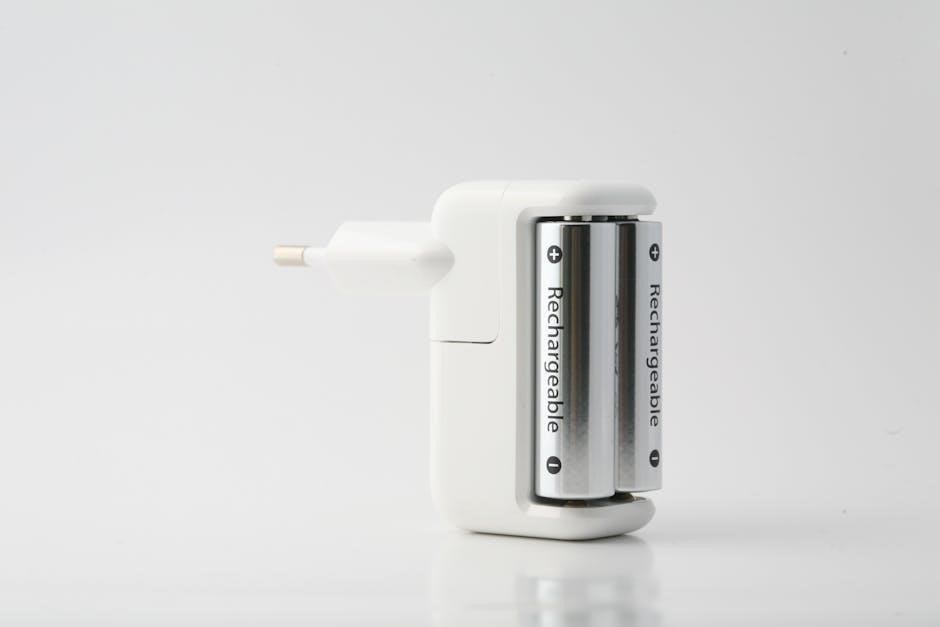
Duralast DL-2D 2 Amp 6/12 Volt Charger & Maintainer
The DL-2D is a fully automatic, energy-efficient charger ideal for motorcycle, car, and marine batteries, detecting 6 or 12-volt systems.
Key Features of the DL-2D Model
The Duralast DL-2D stands out as a versatile and user-friendly battery charger and maintainer, packed with features designed for convenience and optimal battery health. Its primary function is to provide a safe and efficient charging solution for a variety of lead-acid batteries, including those found in motorcycles, cars, and marine vessels. A standout characteristic is its fully automatic operation; once connected, the charger intelligently assesses the battery’s condition and adjusts the charging process accordingly, eliminating the risk of overcharging.
This model boasts automatic voltage detection, seamlessly switching between 6-volt and 12-volt systems, simplifying the charging process for users with diverse battery needs. The energy-efficient design minimizes power consumption during operation, contributing to cost savings and environmental responsibility. Furthermore, the DL-2D functions as a maintainer, ensuring batteries remain topped off during periods of inactivity, extending their lifespan and preserving their performance. Its compact size and lightweight construction enhance portability and ease of storage, making it a practical choice for both home and on-the-go applications.
DL-2D: Automatic Voltage Detection (6V/12V)
A core feature of the Duralast DL-2D is its intelligent automatic voltage detection capability. This eliminates the need for manual voltage selection, a common inconvenience with traditional battery chargers. Upon connection to a battery, the DL-2D instantly and accurately identifies whether the battery is a 6-volt or 12-volt system. This automatic detection ensures the correct charging profile is applied, preventing damage to the battery and optimizing the charging process for maximum efficiency.
This feature is particularly beneficial for users who maintain multiple vehicles or equipment with different voltage requirements. It simplifies operation and reduces the risk of user error. The charger’s internal circuitry automatically adjusts the charging parameters, delivering the appropriate voltage and current for the specific battery type. This hands-free operation makes the DL-2D a convenient and reliable solution for maintaining a variety of lead-acid batteries without the need for specialized knowledge or constant monitoring.
DL-2D: Battery Cable Specifications & Length
The Duralast DL-2D battery charger and maintainer comes equipped with battery cables designed for reliable connectivity and ease of use. While specific gauge details aren’t widely publicized, the cables are appropriately sized to handle the 2-amp charging current without significant voltage drop. Cable length is reported to be 6 feet, providing ample reach to connect to batteries in various vehicle and equipment configurations.
This length allows for flexibility in positioning the charger relative to the battery, avoiding strain on the connections. The cables feature standard ring terminals for secure attachment to battery posts. Users should always ensure a clean and tight connection to maximize charging efficiency and prevent sparking. Inspecting the cables regularly for damage, such as cracks or fraying, is crucial for safe operation. Replacement cables, if needed, should match or exceed the original specifications.
DL-2D: Usage for Motorcycle, Car, and Marine Batteries
The Duralast DL-2D is a versatile charger suitable for a wide range of battery types and applications. Its automatic voltage detection makes it ideal for motorcycles, cars, and marine batteries, seamlessly switching between 6V and 12V systems. For motorcycles, it’s perfect for off-season maintenance, preventing battery sulfation and ensuring a quick start in the spring.
In automotive applications, the DL-2D can maintain a car battery’s charge during periods of inactivity or supplement charging if the vehicle’s alternator is weak. Marine batteries, often deep-cycle types, benefit from the DL-2D’s maintenance mode, extending their lifespan. Always connect the charger to a well-ventilated area and follow the polarity guidelines (+ to +, ⏤ to -) to avoid damage.
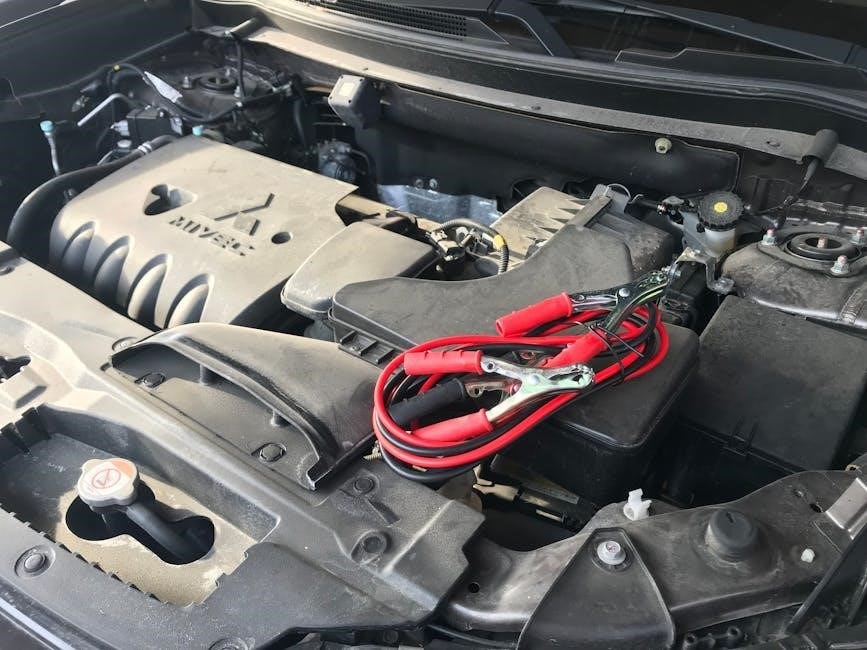
Duralast DL-75 75 Amp Battery Charger/Engine Starter
The Duralast DL-75 is a robust charger and engine starter, delivering 75 amps of power with automatic operation and convenient booster/jumper cable functionality.
DL-75: Automatic Operation & Features
The Duralast DL-75 boasts fully automatic operation, simplifying battery charging and engine starting procedures for users of varying experience levels. This intelligent charger analyzes the battery’s condition and adjusts the charging process accordingly, preventing overcharging and maximizing battery lifespan. Its automatic features extend to voltage detection, ensuring compatibility with a wide range of battery types.
Beyond basic charging, the DL-75 incorporates a sophisticated engine starting function, delivering a substantial boost for vehicles with discharged batteries. The unit’s robust design and high amperage output enable quick and reliable engine starts, even in challenging conditions. Safety features are also integrated, including reverse polarity protection and overload shutdown, safeguarding both the charger and the connected battery. The DL-75 is designed for convenience and peace of mind, offering a hassle-free charging experience.
DL-75: Booster/Jumper Cable Functionality
The Duralast DL-75 distinguishes itself with robust booster/jumper cable functionality, providing a powerful solution for jump-starting vehicles with depleted batteries. These heavy-duty cables are designed to deliver a high current flow, ensuring a quick and reliable engine start, even in cold weather conditions. Proper connection is crucial; the cables feature color-coded clamps for easy identification of positive and negative terminals.
When utilizing the booster function, it’s essential to follow the manufacturer’s instructions carefully to avoid potential damage to the vehicle’s electrical system. The DL-75’s jumper cable system is built for safety, incorporating features like spark-resistant clamps and overload protection. This allows users to confidently jump-start their vehicles without fear of electrical hazards. The DL-75’s jumper cables are a vital component for roadside emergencies and vehicle maintenance.
DL-75: Model & Item ID (23422039275)
Identifying your Duralast DL-75 battery charger correctly is crucial for accessing the appropriate documentation and support. The model number, DL-75, clearly designates this specific unit within the Duralast product line. Alongside the model number, the unique Item ID, 23422039275, serves as a precise identifier for ordering parts, checking compatibility, or referencing the charger in communications with Autozone or other retailers.
This Item ID is particularly useful when searching for the owner’s manual or troubleshooting guides online. Having both the model number and Item ID readily available streamlines the process of finding relevant information. The DL-75 9275 designation, sometimes seen in product listings, further clarifies the specific version of the charger. Accurate identification ensures you receive the correct assistance and maintain your charger effectively.
Accessing the DL-75 Owners Manual
Obtaining the owner’s manual for your Duralast DL-75 battery charger is essential for safe and effective operation. The most reliable source is typically the official Autozone website, where you can search using the model number DL-75 or the Item ID 23422039275. Look for a “Resources” or “Support” section on their site. Alternatively, various third-party manual databases compile user manuals from different manufacturers.
These databases can be found through a general web search, but always verify the source’s credibility. The DL-75 9275 box often includes a direct link or QR code to the online manual. A complete owner’s manual will detail safety precautions, operating instructions, troubleshooting steps, and warranty information. Downloading a digital copy allows for convenient access on your computer or mobile device, ensuring you always have the guidance you need.
Duralast PB DL700 Deep Cycle Battery Charging
Duralast PB DL700 deep cycle batteries require specific charging protocols, and users are exploring inverter options for portable power applications.
Charging a 24V Duralast Deep Cycle Battery
Charging a 24V Duralast deep cycle battery requires a charger specifically designed for this voltage and battery type. Standard automotive chargers may not deliver the appropriate charging profile, potentially damaging the battery and reducing its lifespan. Deep cycle batteries, unlike starting batteries, are built to withstand repeated deep discharges and recharges, making them ideal for applications like marine systems, RVs, and off-grid power solutions.
When selecting a charger, look for features like multi-stage charging, which optimizes the charging process for different stages of battery capacity. A proper charging cycle typically includes bulk, absorption, and float stages. Ensure the charger has a 24V setting and is capable of delivering the appropriate amperage based on the battery’s amp-hour (Ah) rating. Consult the battery’s specifications for recommended charging current. Incorrect charging can lead to sulfation, reduced capacity, and premature failure.
Always connect the charger to the battery in a well-ventilated area, following proper polarity (+ to +, ─ to -); Regularly monitor the charging process and disconnect the charger once the battery is fully charged.
Using Inverters with Duralast Deep Cycle Batteries
Duralast deep cycle batteries are frequently paired with inverters to provide AC power from a DC source, creating portable power stations for cars or backup power systems. When selecting an inverter, carefully consider its wattage rating; it must exceed the combined wattage of all devices you intend to power simultaneously. A higher surge capacity is also crucial for appliances with motors, like refrigerators or power tools.
Pure sine wave inverters are recommended for sensitive electronics, as they deliver cleaner power compared to modified sine wave inverters. Ensure the inverter’s input voltage matches the battery’s voltage (typically 12V or 24V). Proper wiring is essential – use appropriately sized cables to handle the current flow and minimize voltage drop.
Monitor battery voltage while using the inverter to avoid deep discharge, which can shorten battery life. Consider incorporating a low-voltage disconnect feature in the inverter to automatically shut off power when the battery reaches a critical level.
Internal Battery Replacement (PB DL700) ─ Considerations
Replacing the internal battery within the Duralast PB DL700 is a complex procedure and generally not recommended unless you possess significant experience with electronics and battery handling. Attempting this yourself may void any remaining warranty and presents potential safety hazards, including electric shock and battery leakage.
Identifying a compatible replacement battery is crucial; it must match the original’s voltage, capacity, and physical dimensions. Sourcing a suitable battery can be challenging. Disassembly requires careful attention to avoid damaging internal components. Proper soldering skills are essential for reconnecting the new battery securely.
Always disconnect the charger from the power source before attempting any internal repairs. Consider the cost of a new unit versus the risks and complexities of replacement. If unsure, professional repair or replacement is strongly advised.
General Battery Charging Safety Precautions
Always ensure proper ventilation to prevent hydrogen gas buildup, avoid sparks or flames near batteries, and meticulously connect the charger with correct polarity (+/-).
Proper Ventilation During Charging
Battery charging produces explosive hydrogen gas, making adequate ventilation absolutely critical for safety. Duralast chargers, like all battery charging systems, release this gas as a byproduct of the electrochemical process. Confined spaces can allow hydrogen to accumulate, creating a significant explosion risk, even from a small spark.
Always charge batteries in a well-ventilated area, preferably outdoors or in a garage with open windows and doors. Avoid charging in enclosed spaces like closets or sealed compartments. Ensure airflow isn’t obstructed near the battery during the charging cycle. A fan can be used to further enhance ventilation, but it must be spark-proof to avoid ignition of the hydrogen gas. Regularly inspect the charging area for any potential ignition sources and remove them before commencing the charging process. Prioritizing ventilation is a simple yet vital step in preventing hazardous situations.
Avoiding Sparks and Flames
Hydrogen gas, released during battery charging with a Duralast charger or any other, is highly flammable and explosive. Therefore, eliminating potential ignition sources is paramount for safe operation. Never smoke or allow open flames near the charging battery. Avoid using tools that could create sparks, such as metal wrenches or screwdrivers, in the immediate vicinity.
Ensure the charger itself is in good working order, with no frayed wires or damaged components that could cause arcing. When connecting or disconnecting the charger cables, do so carefully to prevent accidental short circuits. Static electricity can also be a source of ignition, so consider grounding yourself before handling the battery or charger. Regularly inspect the charging area for flammable materials and keep them well clear. A proactive approach to spark and flame prevention significantly reduces the risk of a dangerous incident.
Correct Polarity Connection (+/-)
Incorrect polarity – connecting the positive (+) charger clamp to the negative (-) battery terminal, and vice versa – can cause severe damage to both the battery and the Duralast charger. It can also generate sparks, potentially igniting flammable gases released during charging. Always double-check the polarity markings on both the battery and the charger before making any connections.
Most batteries clearly indicate the positive and negative terminals. The positive terminal is often larger and may be marked with a “+” symbol, while the negative terminal is typically smaller and marked with a “-” symbol. If unsure, consult the battery’s documentation or seek assistance from a qualified technician. A reversed connection can void the warranty and create a hazardous situation, so meticulous attention to polarity is crucial for safe and effective charging.
Troubleshooting Common Duralast Charger Issues
Duralast chargers may fail to recognize voltage, initiate charging, or overheat; addressing these issues requires careful inspection and adherence to safety guidelines for resolution.
Charger Not Recognizing Battery Voltage
If your Duralast charger isn’t detecting the battery’s voltage, several factors could be at play. First, ensure the battery terminals are clean and free of corrosion, as this can impede a proper connection. A corroded connection prevents the charger from accurately assessing the voltage level.
Next, verify that the charger’s clamps are securely attached to the battery posts – positive to positive, and negative to negative. Incorrect polarity will definitely cause issues. Also, confirm you’ve selected the correct voltage setting on the charger, if applicable; the DL-2D model automatically detects, but others may require manual selection.
A deeply discharged battery might also register as no voltage initially. Try a brief “jump start” with another battery to see if the Duralast charger then recognizes it. If the problem persists, the charger itself might be faulty, and further testing or replacement may be necessary. Always consult the owner’s manual for specific troubleshooting steps related to your Duralast model.
Charger Not Initiating Charge Cycle
When a Duralast charger fails to begin the charging process, the initial step is to double-check the power supply and ensure the unit is properly plugged into a functioning outlet. Verify the outlet is delivering power by testing it with another device. Next, confirm the charger’s indicator lights are illuminated, signaling it’s receiving power and attempting to engage.
A common cause is insufficient battery voltage to trigger the charging sequence. A severely depleted battery may require a brief “jump start” from another power source to initiate the Duralast charger. Ensure correct polarity when connecting the clamps – red to positive (+), black to negative (-).
If the charger still doesn’t start, inspect the clamp connections for tightness and cleanliness. Corrosion or a loose connection can prevent the charger from recognizing the battery. Refer to your specific Duralast model’s manual for troubleshooting guidance, as some models have specific reset procedures or fault indicators.
Overheating Issues & Prevention
Duralast battery chargers, like all electrical devices, can overheat under certain conditions. Prolonged use at maximum amperage, especially with smaller batteries, is a primary cause. Ensure the charger is appropriately sized for the battery being charged; using a 75-amp charger on a motorcycle battery is excessive and risks overheating.
Proper ventilation is crucial. Operate the charger in a well-ventilated area, free from obstructions that could trap heat. Avoid enclosing the charger in a confined space like a closed car trunk. Regularly inspect the charger’s vents for dust or debris, and clean them as needed to maintain airflow.
If the charger becomes excessively hot, immediately disconnect it from the power source and allow it to cool down before attempting further use. A malfunctioning internal component could also cause overheating; if the issue persists, discontinue use and consult a qualified technician.
Finding Duralast Charger Manuals Online
Autozone provides official resources, while various third-party manual databases offer Duralast charger documentation, aiding users in accessing vital information quickly and efficiently.
Official Autozone Resources
Autozone, as the primary retailer of Duralast battery chargers, serves as the most reliable source for official manuals and support documentation. Their website features a dedicated section for automotive tools and accessories, including a comprehensive catalog of Duralast charging solutions;
Users can typically locate manuals by searching for the specific model number – such as DL-2D, DL-75, or PB DL700 – within the Autozone website’s search bar. Alternatively, navigating through the “Help & Support” or “Product Manuals” sections often leads directly to downloadable PDF versions of the owner’s guides.
Autozone’s online resources frequently include detailed instructions on charger operation, safety precautions, troubleshooting tips, and warranty information. Furthermore, their customer service representatives are readily available to assist with manual retrieval or provide guidance on charger usage, ensuring a positive user experience and maximizing product lifespan.
Third-Party Manual Databases
While Autozone provides the official Duralast charger manuals, several third-party online databases offer alternative access points for locating documentation. These platforms aggregate manuals from various manufacturers, potentially providing a backup resource if the official website experiences issues or if a specific manual is unavailable.
Websites specializing in appliance and automotive manuals often include listings for Duralast chargers, categorized by model number (e.g., DL-2D, DL-75, PB DL700). However, users should exercise caution when downloading from these sources, verifying the file’s authenticity and ensuring it’s free from malware.
It’s crucial to cross-reference information found on third-party sites with the official Autozone documentation whenever possible, as accuracy can vary. These databases can be helpful for quick access, but official resources remain the definitive source for reliable Duralast charger information.
